

Drop Your Tailhook Between the Second and Third Wire

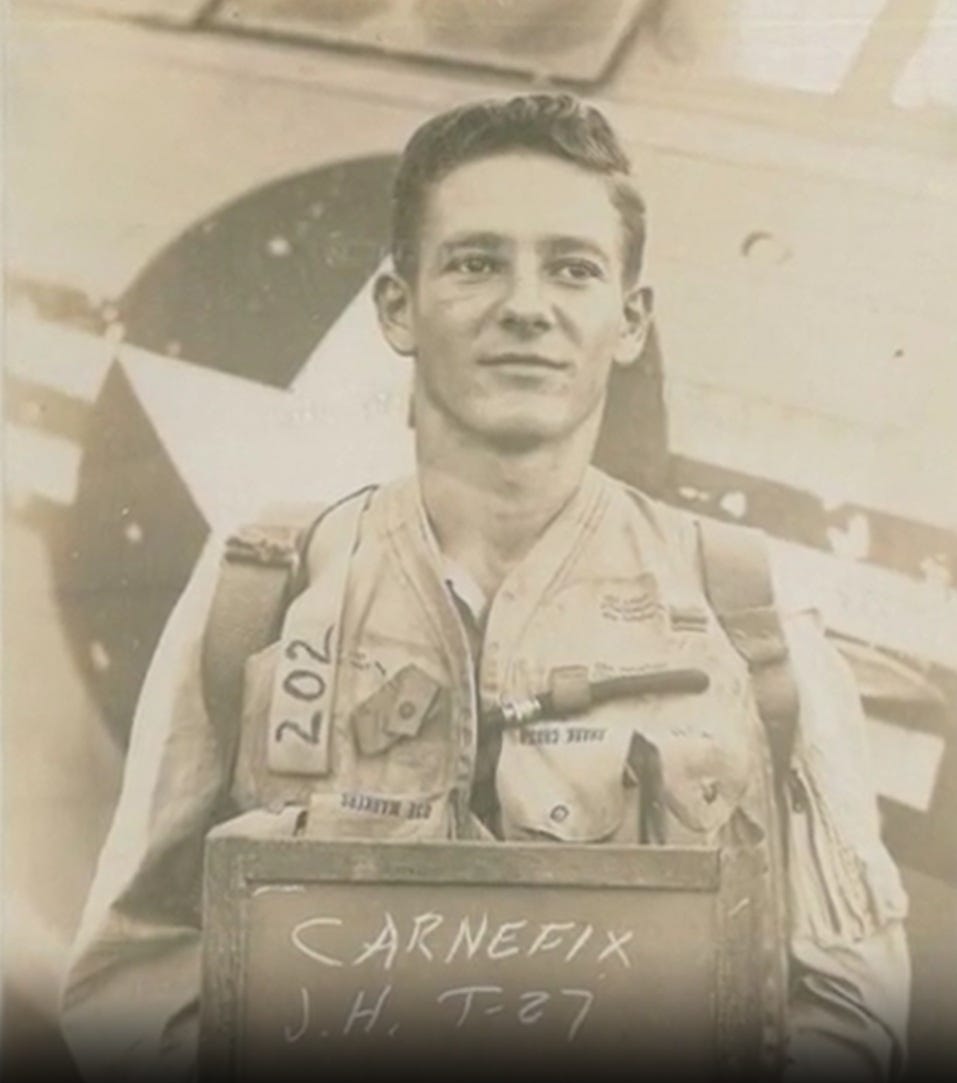
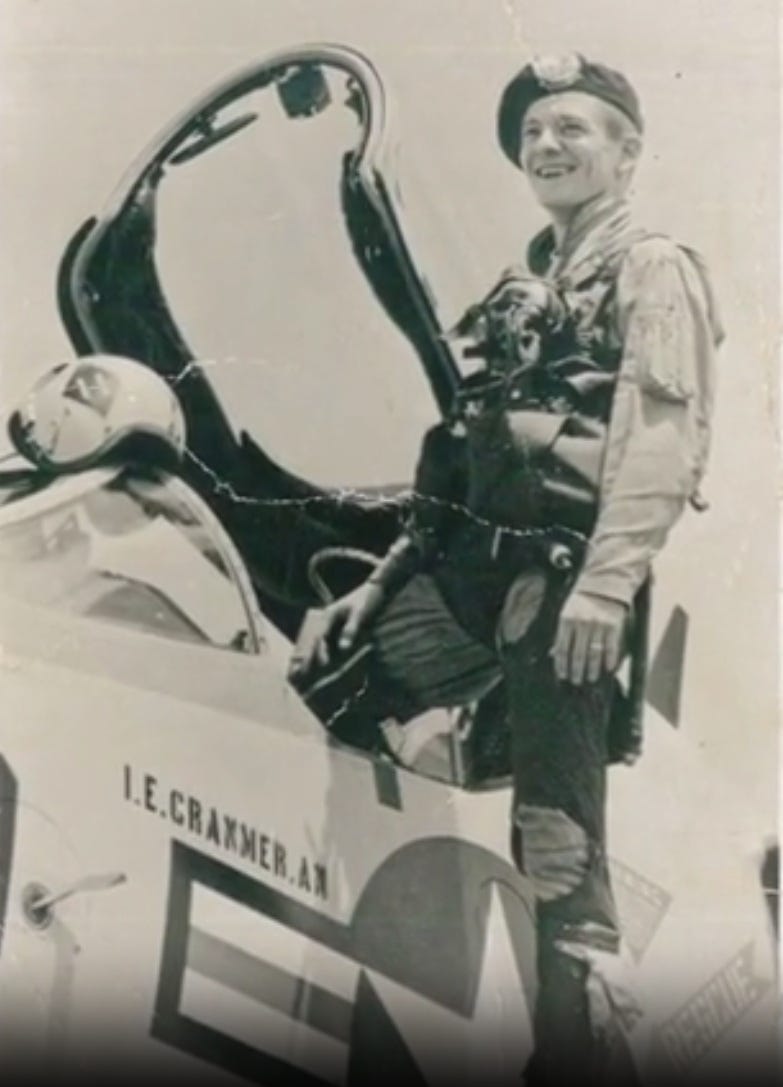
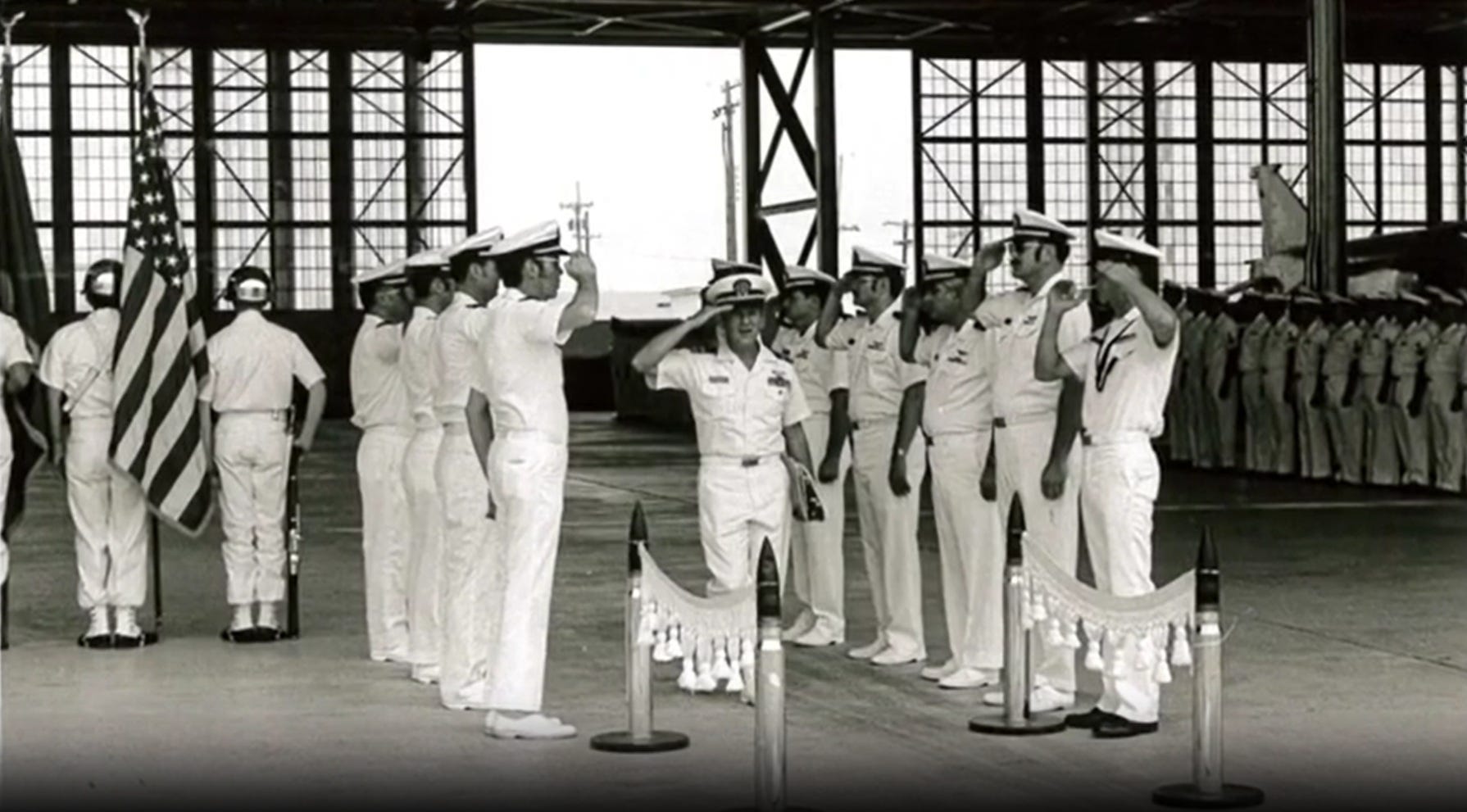
My dad, the original Jack Carnefix, was a United States Navy aviator for 21 years.
During a trip to Seattle, Washington to visit my mom’s family, we went to the Museum of Flight. As we looked at the aircraft on display, my dad kept saying, “I flew that … and that … and that.”
My wife, Rashel, asked “How did you fly so many different planes?”
My dad replied that he came along at the perfect time in aviation history, as aircraft went from “props to jets.”
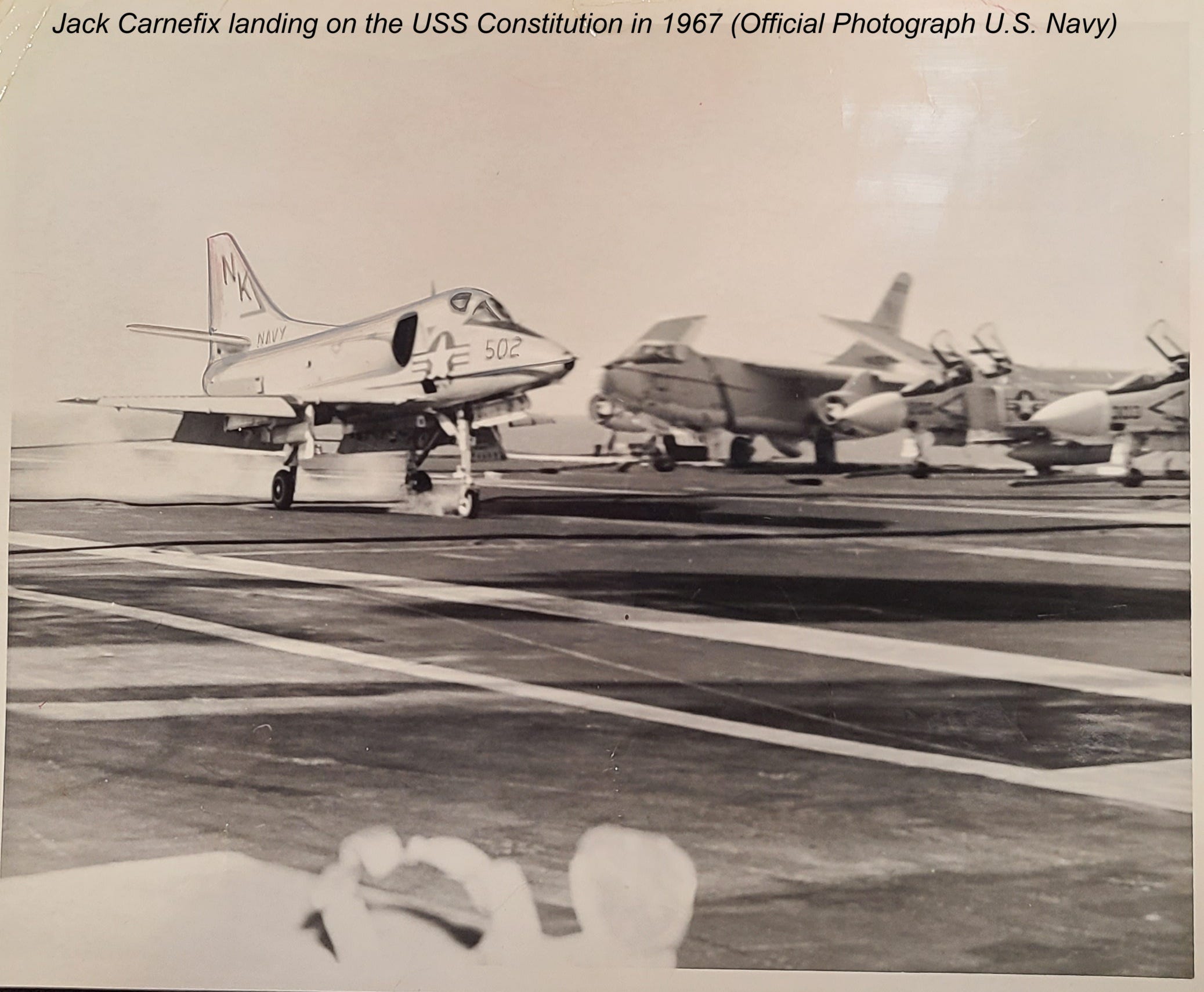
He was a fighter pilot, primarily flying the Douglas A-4 Skyhawk, a single-seat subsonic carrier-capable light attack aircraft that also served as the aircraft for the Blue Angels demonstration team and the adversary aircraft in the movie Top Gun.
My dad served in carrier battle groups on the USS Constellation, the USS Forrestal, the USS Bon Homme Richard, the USS Wasp and others. He was a member of multiple attack squadrons, including VT-22, the Golden Eagles; VA-125, the Rough Raiders; VA-146, the Blue Diamonds; VA-152, the Fighting Aces; VA-192, the World-Famous Golden Dragons; and VA-305, the Hackers. His call signs during his career included Cactus Jack, Scratch Jack, and Slats, resulting from a mechanical mishap on his aircraft during a mission.
In addition to two tours in the Vietnam War, my dad also participated in the recovery of multiple Gemini Spacecraft aboard the USS Wasp.
When stationed on carriers, every mission began with his aircraft being propelled off the carrier deck by a steam catapult at 150 to 170 miles per hour along 250 to 300 feet of catapult track. This “cat shot” allowed a fully loaded jet to go from standstill to takeoff speed in about 2-3 seconds while pilots experienced forces of 3 to 4 Gs during launch.
Each mission would end with a “trap” meaning an arrested landing. The aircraft would approach the carrier at 138 to 150 mph, with its landing gear and tailhook down. As it touches on the flight deck, the tailhook, a steel arm hinged under the tail, snags one of the four arresting wires stretched across the deck. The wires are only a few inches above the deck, so the hook must strike just right.
When it does catch the wire just right, the aircraft goes from 150 mph to zero in about two seconds while covering less than 350 feet. The pilot experiences approximately 4 Gs as he slams forward into his harness as the nose dips and then the jet rocks back level as it comes to a stop.
On a sidenote, for many years, the Carnefix family had a tailhook from an A-4 Skyhawk. It was moved from Pt. Mugu, California, to Stillwater, Oklahoma in 1972, and from Stillwater to Arlington, Texas in 1974. It returned to Stillwater in 1976 and was eventually donated to the museum at the Stillwater Regional Airport, where it still resides.
My dad didn’t talk a lot about his career in the Navy. My wife, Rashel, however, could sometimes get him to answer questions, especially if he had had a couple of beers. Anyone who knows my dad understands that there was a good possibility he might have had a couple of beers.
One day, Rashel asked my dad if it was hard to land on a carrier.
His initial reply was “No, not really.” After a pause he added, “Well, I mean if you are right then you will take out the tower and if you are left you are in the water.” He continued, “If you are short, you hit the end of the carrier and if you are long, you are in the water.”
After a much longer pause he said, “Now that I think about it, I guess it was a lot harder than I thought.”
Before he passed away in 2022 my dad was in a skilled-nursing facility, suffering from early-onset dementia and not doing well. While I was visiting him, a nurse asked me if I had seen the recently released “Top Gun: Maverick.”
I told her that I had seen it and had really liked it. I then gestured to my dad, who was half dozing, and said, “He was an attack pilot and landed on carriers.”
The nurse got excited and said, “Did you really? Was it hard?”
Never opening his eyes and using his hand to demonstrate, my dad explained that it wasn’t hard at all because all you had to do was “Intercept the glide scope and drop your tailhook between the second and third wire, smooth.”
I laughed and told her, “He never has fully grasped that taking off and landing on aircraft carriers isn’t really easy.”
Editor’s Note: The photograph used for this story was a gift from our friends Tim and Tiffany Bays. After my dad’s memorial service in 2022, Tim was surfing the internet and came across the photograph for sale. After telling the seller about my dad and how he had attended his memorial service, he even got a discount.
What another great reading and glad to know that about your Dad!!! Very interesting and understand how you are very interesting yourself, great to know!!!
Jack, If I didn’t go to Oklahoma State, I was going to the Air Force Academy and would have pursued being a pilot. I love pilot conversations to this day. Love the story and thank you for your service to country, as families serve too. I have supported the Navy for almost 30 years and currently support the Aerial Electronic Attack capability out of Pt. Mugu, what a privilege it is. On a recent trip this year I was able to catch up with Lou Lucca and John Swanson. I love how these old connections are getting rekindled. Keep up the good work!